
Stepping out onto your lawn only to find long, spongy tracks crisscrossing the grass or fresh piles of dirt popping up overnight is a common frustration for homeowners. When your yard suddenly looks like a mini construction zone, something is definitely working overtime under the surface.
More often than not, moles are the main suspects. Because these creatures live almost entirely underground, you will rarely catch a glimpse of the animal itself. Instead, solving the mystery comes down to recognizing the specific patterns they leave in your soil.
Here is a straightforward guide to diagnosing a mole problem in your yard and deciding on the best way to handle it.
1. What Does Mole Activity Look Like?
Since moles prefer the dark safety of the subsoil, identifying them means playing detective with your turf. Look for these distinct visual clues:
- Elevated, squishy ridges winding through your grass
- Round or volcano-shaped dirt mounds (molehills)
- Soft, uneven, or sunken patches of turf where roots have been dislodged
- Fresh dirt tracks appearing after heavy rain or routine watering
- Soil damage with no direct signs of plants or flowers being eaten
- Zero visible animal activity above the surface
Moles build shallow, temporary runways while hunting for their favorite food source: earthworms, grubs, and soil insects. As they paddle through loose soil, they heave the ground upward, creating those telltale surface ridges.
Unlike plant-eating pests such as gophers or voles, moles primarily feed on earthworms, grubs, and soil insects rather than plants. While their digging can accidentally dry out plant roots or leave your lawn feeling bumpy, they aren't actively eating your flower beds.

2. What Are Your Options for Managing Moles?
Once you confirm that moles are the reason for your uneven turf, you have a few different strategies to choose from.
Test for Active Runways
Don't waste time on abandoned tunnels. Gently step down a small section of a raised ridge to flatten it, then check back in 24 to 48 hours. If the tunnel has been pushed back up, you have found an active tunnel.
Traditional Trapping
Setting mechanical mole traps inside active runways is a classic approach, though it requires lethal control and a bit of patience to master.
Manage Soil Moisture
Saturated soil can support more earthworms and grubs, which may make the area more attractive to moles. Adjusting your sprinkler schedule to prevent overwatering can naturally lower the attraction.
Call in a Professional
If your yard is heavily impacted or the digging just won't stop, hiring a local wildlife control expert is a solid option.
Apply an Underground Deterrent
If you prefer to protect your yard without setting traps, handling dead animals, or using harsh chemicals, a non-lethal deterrent is another option to consider.
3. Use Stink Stake to Help Discourage Burrowing Pests
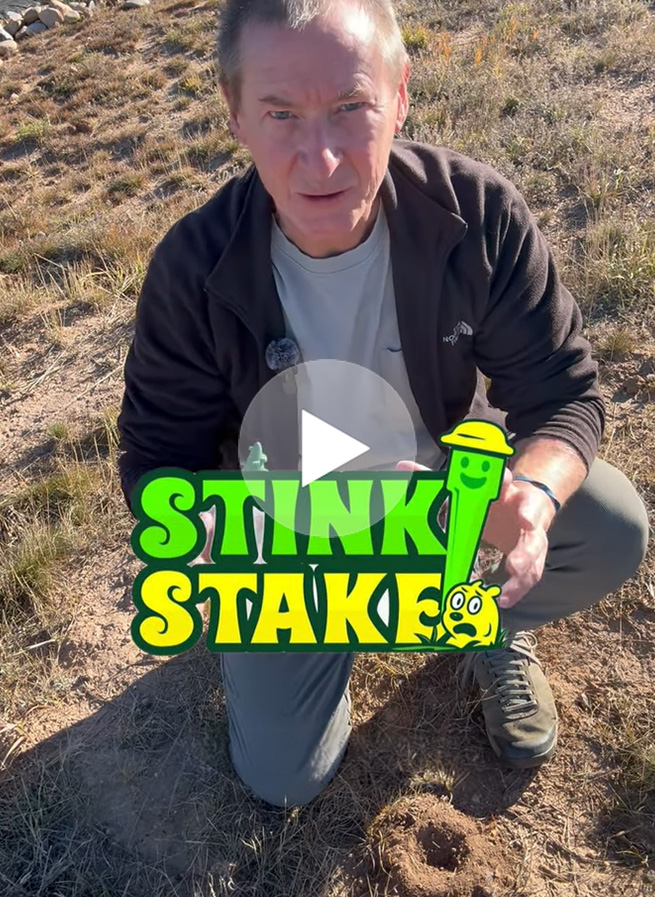
If you want to discourage burrowing pests without using traps or poison, Stink Stake offers a reusable, non-lethal option for areas such as lawns, gardens, flower beds, landscaping, play areas, and other outdoor spaces.
The stakes are placed in areas where burrowing activity has been identified and use Stink Grass material to create an odor intended to make the surrounding area less inviting to underground pests.
Using Stink Stake is a simple three-step process:
1) Locate the Hotspots
Find areas with fresh molehills, soft spots, and active surface ridges.
2) Install the Stakes
Drive the Stink Stakes into the perimeter of the lawn or garden bed you want to guard, following the included layout guide.
3) Refill to Maintain
Periodically refresh the natural Stink Grass material to help maintain the deterrent over time.
Ready to Take Control of Mole Activity?
Stink Stake offers an effective, reusable way to help discourage moles and other burrowing pests without relying on poison or lethal traps.


 Design by Stampdt